

Bridging the Gap Between Evidence and Everyday Understanding

The CareGuard Initiative is an independent public health education initiative dedicated to improving oral health literacy among underserved communities experiencing educational and language barriers.
Although evidence-based oral health recommendations developed by federal public health agencies and professional organizations are widely available, many individuals continue to face significant challenges in understanding and applying this information in everyday life.
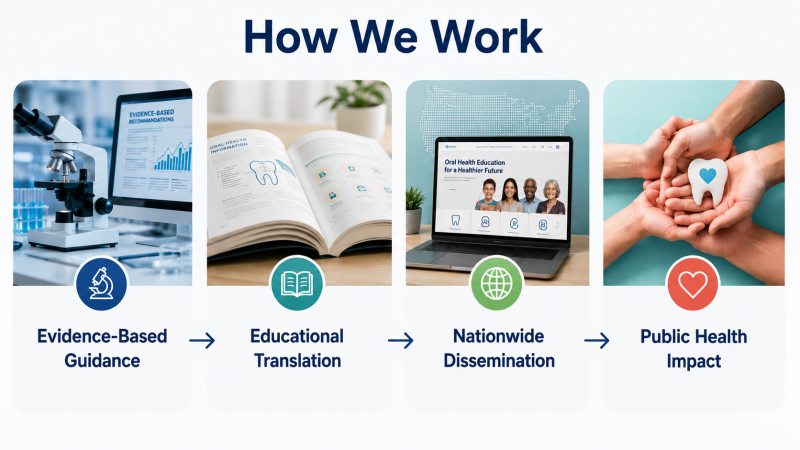
The CareGuard Initiative helps bridge this implementation gap by translating trusted scientific recommendations into clear, practical, and multilingual educational resources that support informed preventive oral health decisions.
Through evidence-based education, multilingual communication, and community-focused outreach, CareGuard works to make preventive oral health information more understandable, accessible, and actionable for the populations that need it most.
Featured Resources
Explore practical guidance on dental symptoms, emergencies, treatment costs, and access to affordable care.
Meet the Founder
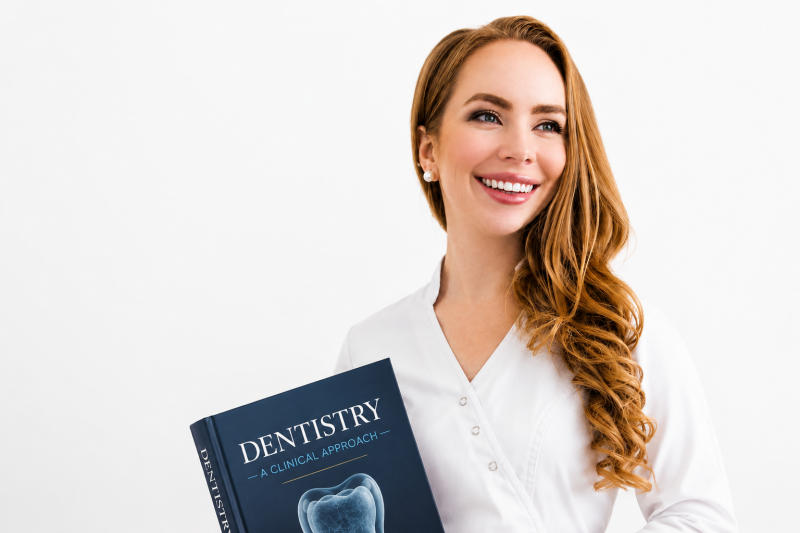
Dr. Daria Buinevich is a dentist and public health educator with postgraduate clinical training and extensive experience in preventive dentistry, patient education, and evidence-based oral healthcare. Her dental education has been independently evaluated as equivalent to a U.S. First Professional Degree in Dentistry, and she completed postgraduate residency training in Orthopedic Dentistry.
She founded the CareGuard Initiative to improve oral health literacy by translating authoritative scientific guidance into practical, multilingual educational resources that support preventive oral health across diverse communities.
Dr. Buinevich is a member of the American Association of Public Health Dentistry (AAPHD) and the American Public Health Association (APHA), reflecting her commitment to advancing evidence-based public health and preventive oral healthcare.


New Monthly Bulletin
Summer Oral Health: Protecting Your Smile During the Summer
Evidence-based guidance to help individuals and families maintain good oral health during the summer months.
Get New Oral Health Resources
Receive one practical, evidence-based oral health guide each month. Free and available in multiple languages.
Collaboration
The CareGuard Initiative welcomes opportunities to collaborate with universities, nonprofit organizations, healthcare professionals, public health agencies, educators, and community organizations committed to advancing evidence-based oral health education.
CareGuard Initiative
Independent Public Health Education Organization
California, USA
careguard-initiative.org
Copyright
Privacy Policy